
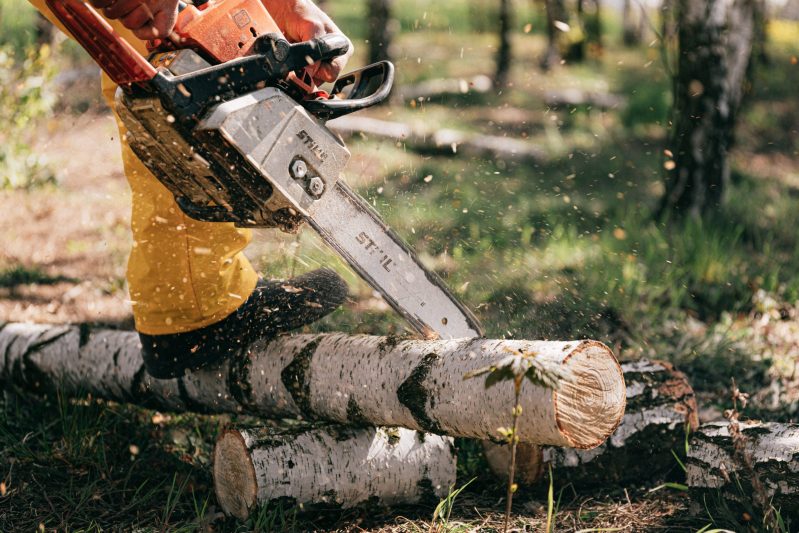

A chainsaw is an essential tool for both professional arborists and DIY enthusiasts, but a common frustration among users is the rapid dulling of the chain. Understanding why your chainsaw chain loses its sharpness quickly is crucial for maintaining optimal performance and efficiency. Factors such as improper cutting techniques, environmental conditions, and inadequate maintenance can contribute significantly to this issue. For instance, cutting through dirty or gritty wood, or using a chain that is not appropriately tensioned, can lead to accelerated wear and tear. Additionally, the quality of the chain itself—and whether it is suited for your specific cutting tasks—plays a vital role in its longevity. This article will delve into the reasons behind the swift dulling of chainsaw chains, offering practical insights and expert advice on how to identify potential problems and implement effective solutions. By understanding these factors and adopting best practices, you can prolong the life of your chainsaw chain, enhance cutting efficiency, and ensure a smoother, safer operation. Join us as we explore the common pitfalls and preventative measures that will keep your chainsaw running at peak performance.
– Common causes for chain saw chain dullness.
Several factors contribute to the dullness of a chain saw chain, significantly impacting its performance and efficiency. One prevalent cause is the type of material being cut; harder woods, especially those containing dirt or sand, can quickly wear down the chain. Additionally, improper cutting techniques, such as applying excessive pressure or using a dull chain, can further exacerbate the issue. Environmental conditions, such as cutting in wet or frozen wood, may also result in increased friction and wear on the chain saw chain.
Another important aspect to consider is the maintenance of the chain itself. Neglecting to regularly sharpen the teeth or failing to properly tension the chain can lead to rapid dullness. Furthermore, exposure to debris, such as rocks or metal, can cause nicks and damages, adversely affecting the cutting edges of the chain. Regular inspection and upkeep of the chain saw chain are critical to prolonging its lifespan and ensuring optimal cutting performance.
– Effective maintenance tips for chain saw chains.
To ensure the longevity and efficiency of a chain saw chain, regular maintenance practices are essential. Frequent sharpening of the chain is crucial and should be performed after every few hours of use, depending on the type of wood being cut. Using a file guide or a chain sharpening tool can help maintain the proper angle and depth of the teeth, providing a clean cut and reducing strain on the engine. Moreover, regularly checking and adjusting the tension of the chain is important; a properly tensioned chain will operate more effectively and reduce the risk of derailment or premature wear.
In addition to sharpening and tensioning, it is advisable to clean the chain saw chain after each use. Removing debris and sap buildup prevents corrosion and maintains the integrity of the cutting edges. Lubrication is also vital, as it reduces friction during operation and helps cool the chain. Using high-quality bar and chain oil, applied liberally, will ensure smooth operation and enhance the performance of the chain saw chain. By adhering to these maintenance tips, users can significantly extend the life of the chain and improve overall cutting efficiency.
– Signs that indicate chain replacement needed.
Several indicators suggest that a chain saw chain may need replacement to maintain optimal cutting performance. One prominent sign is the presence of significant wear or damage, such as broken or chipped teeth, which can compromise the chain’s ability to cut effectively. If the chain frequently derails or if there is noticeable stretching beyond the manufacturer’s specifications, this may signal that the chain has reached the end of its usable life. Additionally, if the chain produces excessive vibrations or noise while operating, it could indicate that it is no longer functioning correctly and should be replaced.
Another critical factor to consider is the depth gauges. If they have worn down excessively, the cutting teeth may not engage properly with the material, leading to subpar performance and increased fatigue on the operator. Regular inspection of the chain for these signs is essential in ensuring it remains safe and effective during use. When any of these indicators are present, replacing the chain saw chain promptly can prevent further damage to the saw and enhance overall cutting efficiency.
In conclusion, understanding the reasons behind a rapidly dulling chainsaw chain is essential for both efficiency and safety in your cutting tasks. Factors such as improper tensioning, inadequate lubrication, and the choice of cutting techniques can all contribute to premature wear. By regularly maintaining your chainsaw, including proper sharpening techniques and using the right chain for your specific application, you can significantly extend the life of your chain and enhance your overall cutting performance. Taking the time to address these issues not only ensures a smoother operation but also reduces the risk of accidents, allowing you to work more effectively and confidently.

Comments are closed.