


Transforming a traditional factory into a smart manufacturing center requires the adoption of cutting-edge technologies aimed at increasing efficiency, minimizing expenses, and optimizing operations across the board. By merging automation, artificial intelligence (AI), real-time data analysis, and interconnected networks, manufacturers are building agile environments that can quickly respond to shifting production needs.
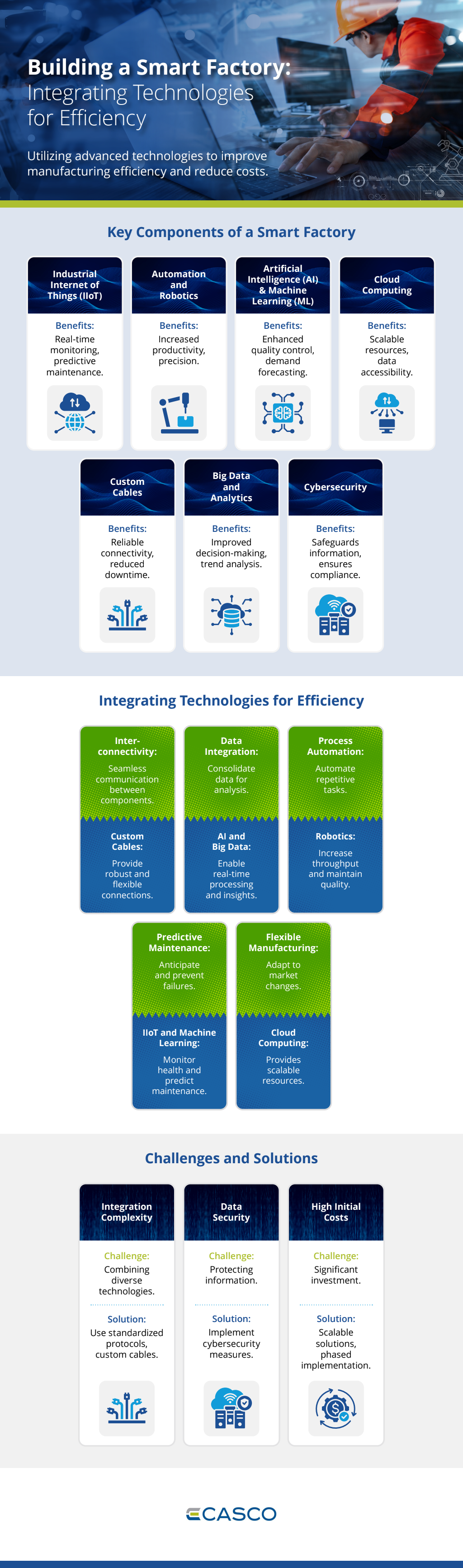
A key element of this transformation is the Industrial Internet of Things (IIoT), a system of digitally linked machines and sensors that exchange information across various platforms. These smart devices track everything from equipment performance to ambient conditions, producing insights that drive faster, better-informed choices. This continuous data stream also supports predictive maintenance, enabling teams to resolve problems before they lead to downtime, which boosts both reliability and operational continuity.
Another vital aspect of this digital evolution is the expanding use of automation and robotics. Contemporary robotic systems handle repetitive, hazardous, or highly precise tasks, ensuring uniform quality while minimizing safety risks to workers. These machines are designed to be adaptable, making it easier for production lines to pivot quickly in response to new designs or workflow adjustments.
Maintaining seamless communication between different systems is crucial for smart factory success. This level of connectivity is achieved through a mix of wireless networks, edge computing, and solid physical infrastructure, all working together to support uninterrupted data sharing and real-time coordination.
For instance, incorporating circular cable assembly into the smart factory ecosystem can significantly streamline the integration of electrical components. These assemblies simplify the wiring process, reduce the chance of errors, and accommodate complex configurations—benefits that align well with the demands of high-speed, tech-oriented production environments.
Machine learning (ML) further elevates factory intelligence by sifting through extensive operational data to fine-tune resource use, forecast material needs, and improve overall workflow. These adaptive systems become increasingly effective over time, giving manufacturers a strategic edge in handling production shifts.
Cloud-based computing expands the smart factory’s reach by offering flexible storage and processing capabilities that extend beyond the factory floor. Managers can monitor performance and control systems remotely, facilitating oversight of distributed teams and international supply chains without heavy investment in local hardware.
Advanced analytics adds another layer of precision, enabling businesses to pinpoint inefficiencies, anticipate market demand, and rapidly recalibrate strategies. With this level of visibility, companies can increase output, minimize waste, and rely on solid data to guide future growth.
As more systems become interconnected, cybersecurity takes on heightened importance. The blending of operational technology (OT) with traditional IT systems requires stringent safeguards, including encryption, real-time network oversight, and multilayered defenses to protect proprietary data and sustain uninterrupted operations.
Altogether, these advancements lay the foundation for the new age of industry—an era marked by adaptability, seamless integration, and ongoing enhancement, where smart manufacturing facilities can evolve in step with the dynamic challenges of modern production.

Comments are closed.